
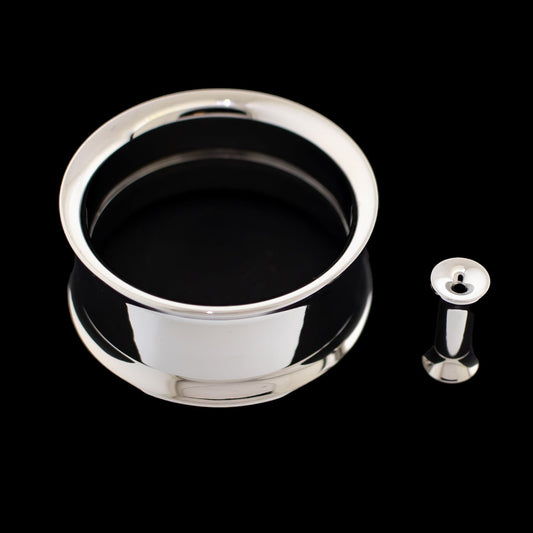
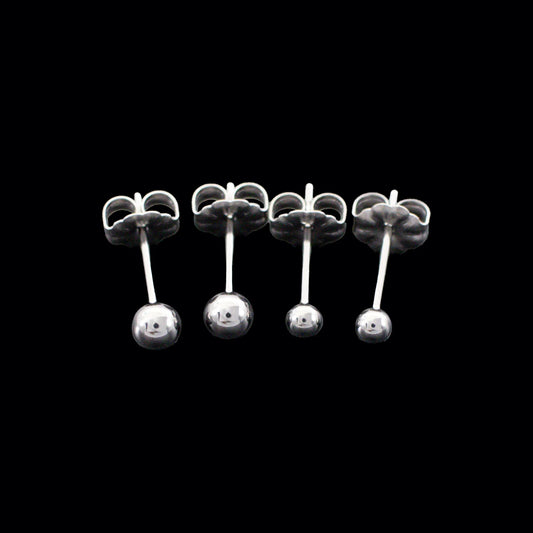



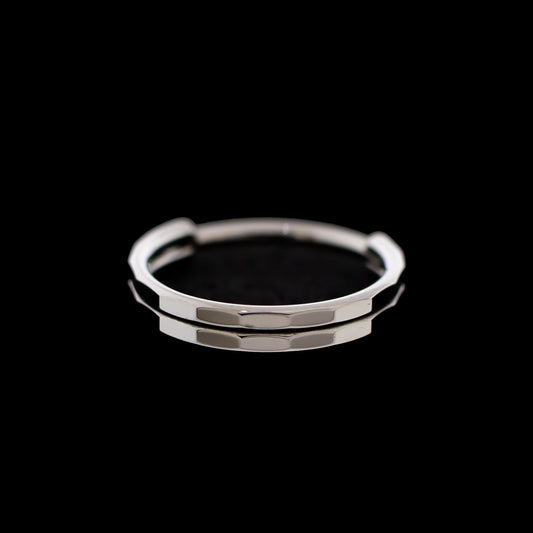
Lobe Piercing Jewelry: Studs, Hoops & Flat Backs for Standard and Upper Lobe
Ear lobe piercing jewelry covers the widest style range of any piercing placement. This collection brings together flat back studs, traditional studs, seamless hoops, and huggies in implant-grade titanium and 316L steel across 20G, 18G, and 16G for both standard lobe and upper lobe piercings. Whether you are refreshing a single healed lobe or building a full stacked ear look, every style and gauge you need is here.
Jewelry Types for Lobe Piercings
The earlobe is the most forgiving and versatile piercing placement in terms of the jewelry it accommodates. Soft tissue, easy access, and a wide range of healed gauges make the lobe compatible with more jewelry formats than any cartilage placement. Understanding which type suits your lifestyle and healing stage makes the selection process significantly more straightforward.
Flat Back Studs (Labret Style)
Flat back studs use a straight post with a smooth disc on the back and a threaded or threadless decorative end on the front. Unlike traditional earring backs, the flat disc sits flush against the back of the lobe with no sharp post tip extending beyond the backing. This design eliminates the poking sensation during sleep, reduces snagging on hair and pillowcases, and distributes pressure evenly across the back of the lobe rather than concentrating it at a single backing point.
Flat back studs are the standard choice at professional piercing studios for initial lobe jewelry because the smooth post surface minimizes tissue trauma during healing. They are equally practical for healed lobes because the secure threading means the end does not work loose during wear. For anyone who sleeps with their jewelry in, a flat back stud is the most comfortable long-term option across all lobe positions.
Traditional Studs with Butterfly or Push Back
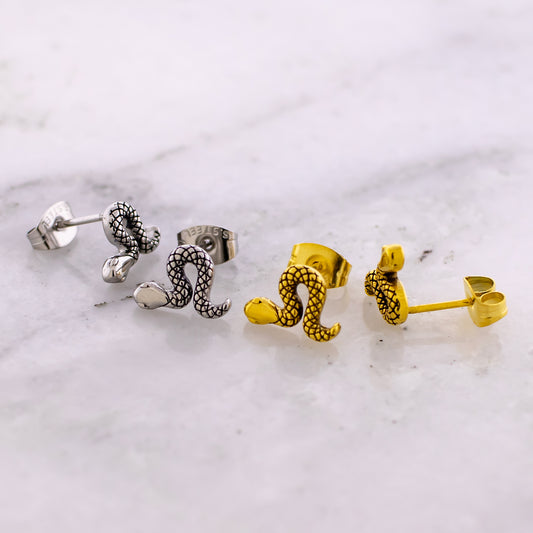
Traditional studs use a thin post that extends through the lobe and secures with a butterfly clutch or push back on the reverse side. These are the most widely available earring format in general retail and cover the broadest range of decorative styles and price points. For fully healed lobes that are changed frequently, a well-fitted traditional stud with a secure butterfly back functions reliably.
The practical limitations become apparent for wearers who sleep with jewelry in or who have experienced discomfort from the post tip pressing against the back of the ear. Traditional studs are better suited to daytime wear with planned removal at night than as permanent jewelry in a healing or sensitive lobe.
Hoops and Seamless Rings
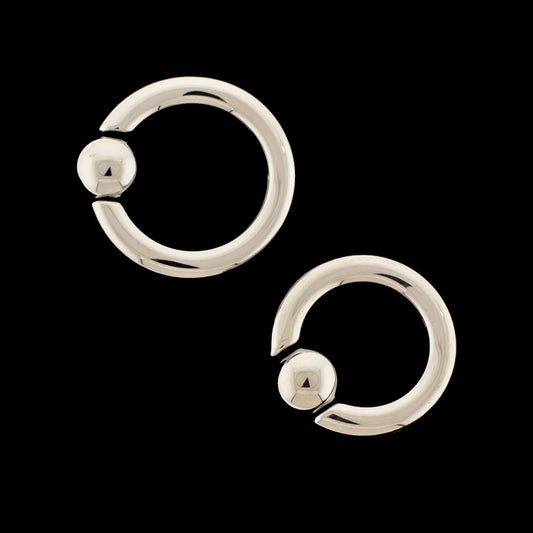
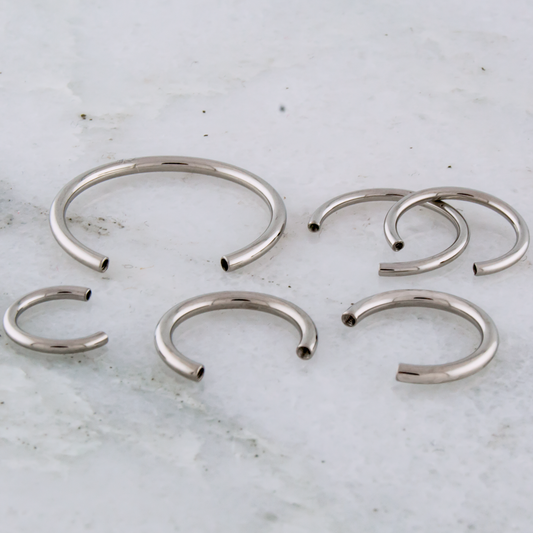
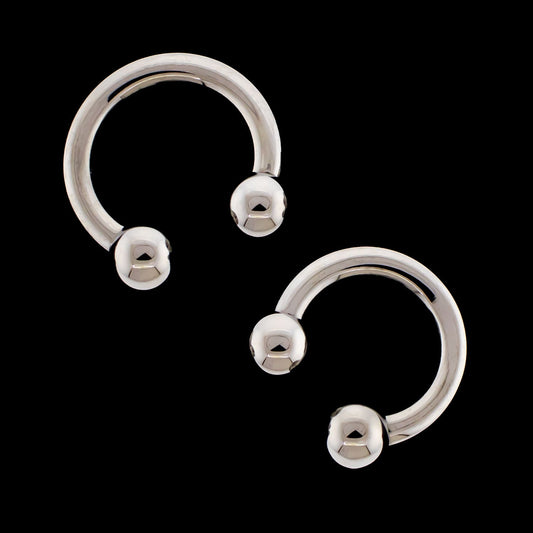
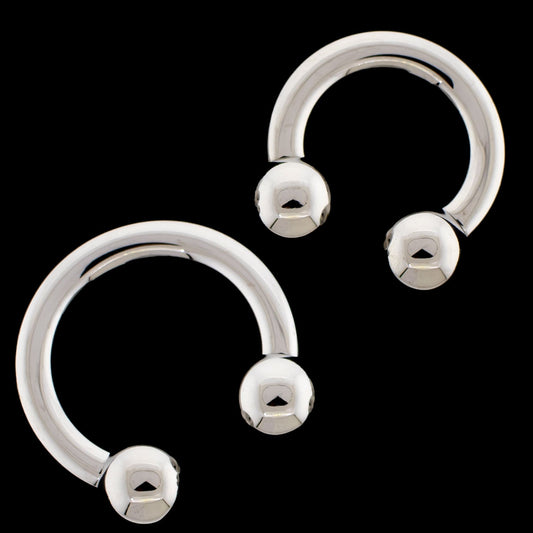
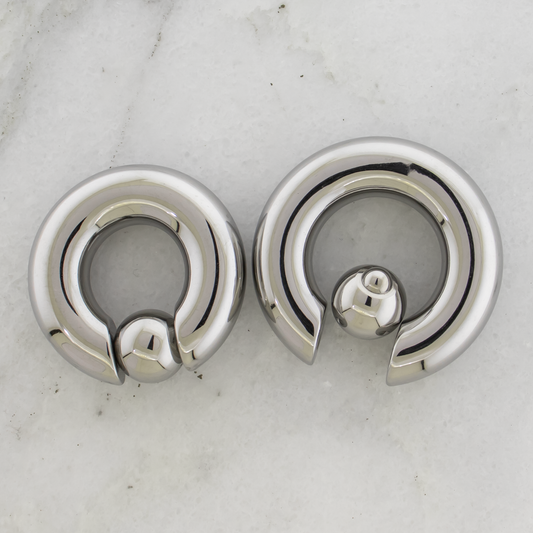
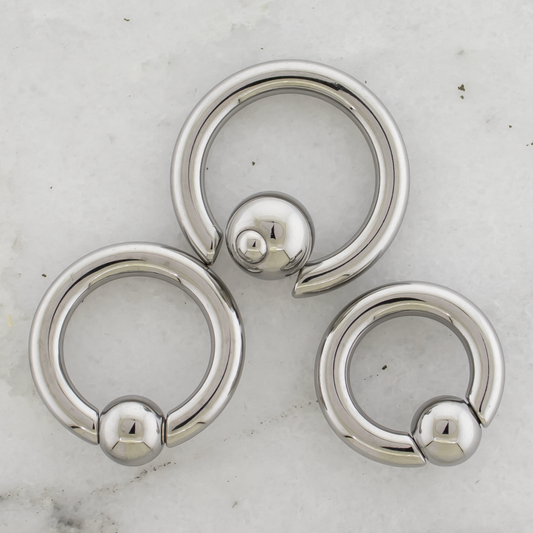
Lobe-sized seamless hoops and captive rings at 20G to 18G in 8mm to 14mm inner diameter sit cleanly in the lobe and create the open ring aesthetic that many curated ear setups depend on. A standard lobe comfortably accommodates a 10mm to 14mm hoop, while an upper lobe placement reads better with a smaller 8mm to 10mm diameter. Hoops are appropriate only for fully healed lobe piercings; ring-style jewelry moved through a healing channel causes friction that slows the healing process significantly.
Huggies (Small Hoops)
Huggies are small-diameter hoops that sit close to the lobe surface rather than hanging freely. A huggie at 6mm to 8mm inner diameter in a healed standard lobe wraps snugly around the lobe tissue and creates a layered look when stacked with an earring in the same ear or in an adjacent lobe piercing. The close-fitting profile of a huggie makes it one of the most practical hoop options for daily wear because it does not swing or catch on hair and clothing the way a larger hoop does.
See more: 316L Steel Seamless Rings
Standard Lobe vs. Upper Lobe: Does the Jewelry Differ?
The standard lobe piercing sits at the center or lower portion of the earlobe, while an upper lobe piercing sits closer to the ear cartilage at the top of the soft tissue. Both placements use ring and post formats, but the differences in anatomy and aesthetic context mean that the best jewelry choices for each are not identical.
Sizing for Standard Lobe Piercings
Standard lobe piercings are typically done at 20G or 18G. The soft tissue of the standard lobe can accommodate a wider range of jewelry sizes than upper lobe placements, and the looser skin of a healed standard lobe often allows for slightly larger hoop diameters and heavier earring styles.
- Gauge: 20G (most common) or 18G
- Flat back post length: 6mm for healed; 8mm to 10mm for initial piercing
- Hoop inner diameter: 10mm to 14mm for most standard lobe anatomies
- Huggie diameter: 6mm to 8mm for a close-fitting look
Sizing for Upper Lobe Piercings
Upper lobe piercings sit in firmer tissue closer to the ear's cartilage ridge. The anatomy here is less forgiving than the soft center lobe, which means jewelry that is too heavy or too large in diameter will shift and create pressure at the entry and exit points.
- Gauge: 18G or 16G
- Flat back post length: 6mm for healed; 8mm for initial
- Hoop inner diameter: 8mm to 10mm suits most upper lobe placements
- Style preference: Smaller, lighter jewelry reads better in the upper lobe position within a curated ear stack
Upper lobe jewelry tends toward more delicate proportions and is often chosen to complement cartilage piercings above it rather than to be a standalone statement piece.
See more: Titanium Labrets
The Butterfly Back vs. Flat Back Debate
This is the most common practical question among lobe piercing jewelry buyers, and the answer depends on where you are in the healing process and how you wear your jewelry day to day.
Flat Back (Labret Post):
- Smooth disc sits flush against the lobe back with no sharp tip
- No poking during sleep, no snagging on hair or fabric
- APP-recommended for all piercing stages, both initial and healed
- Standard at professional piercing studios across the United States
- Threaded or threadless ends are interchangeable for styling variety
Butterfly and Push Back:
- Traditional earring back with a spring-loaded clutch mechanism
- Widely available across retail and fine jewelry
- Appropriate for fully healed lobes that are changed frequently
- The post tip can press against the back of the ear during sleep or extended wear
- Backs can work loose over time, increasing the risk of losing an earring
For anyone with a fresh or healing lobe piercing, a flat back stud is always the better choice. For a fully healed lobe where you plan to change jewelry regularly throughout the day, a traditional back is a practical option, provided the gauge matches your piercing and the back fits securely without excessive tightness.
How to Build a Lobe Stack
Lobe stacking is the most widely practiced form of curated ear styling because it does not require cartilage piercings and can be achieved progressively with one or two additional piercings. The goal is a layered, intentional look across multiple lobe placements in the same ear.
Starting Your First Stack
A two-lobe setup is the most common entry point for lobe stacking. One piercing at the standard lobe position and one upper lobe piercing create an immediate visual relationship between two pieces of jewelry at different heights in the soft tissue. The most effective pairing at this stage is a slightly larger or more decorative piece at the standard lobe and a smaller, complementary piece at the upper lobe. A 10mm hoop at the standard lobe paired with a 4mm flat back gem at the upper lobe is a classic combination that reads well from any distance.
Building a Full Lobe Stack
A three or four-lobe stack requires consistent spacing between piercings, which is best confirmed with your piercer before committing to additional placements. Once healed, a full lobe stack benefits from consistent sizing progression, where the largest piece sits at the bottom lobe and each successive piercing carries a slightly smaller or simpler piece as you move upward. This creates a graduated visual effect that looks intentional rather than random.
Mixing Metals, Sizes, and Styles in a Stack
Matching metals across a lobe stack creates the most polished finish. A set of three implant-grade titanium pieces in the same finish reads more cohesive than three mixed-metal pieces. That said, deliberate contrast works when applied with intention: a plain seamless ring at the bottom lobe, a gem piece in the middle, and a tiny flat back disc at the top creates visual rhythm without requiring identical metals. The single rule that applies consistently is proportion, where jewelry size should decrease or vary intentionally as you move up the lobe stack.
Gauge and Sizing Guide for Lobe Piercing Jewelry
Gauge determines which jewelry will physically fit your lobe piercing. Buying at the wrong gauge means the jewelry either will not pass through the piercing or will sit too loosely in the channel. The majority of lobe piercings are done at 20G or 18G, with upper lobe placements occasionally at 16G.
Gauge reference for lobe piercing jewelry:
- 20G (0.8mm): The most common gauge for standard lobe piercings done at piercing studios. Produces a fine, delicate look and is compatible with most flat back and stud formats.
- 18G (1.0mm): A common alternative to 20G that allows for slightly sturdier jewelry and is standard for many upper lobe piercings.
- 16G (1.2mm): Less common for initial lobe piercings but used in upper lobe placements with thicker tissue or for wearers who prefer a heavier-gauge aesthetic.
Post length (flat back studs):
- 6mm: Standard healed lobe length for most anatomies. The post sits flush without excess.
- 8mm: Appropriate for initial piercing to accommodate swelling, or for thicker lobe tissue.
- 10mm: Used in initial piercings with significant anticipated swelling, not for long-term healed wear.
Hoop and huggie inner diameter:
- 6mm to 8mm: Huggie range; sits close to the lobe surface
- 10mm to 12mm: Standard lobe hoop range for most anatomies
- 12mm to 14mm: Larger hoops that hang more visibly from the standard lobe
How to Check Your Current Gauge
If you are replacing jewelry and do not know your current gauge, the easiest approach is to measure your existing post with a digital caliper or gauge wheel, or ask your piercer. As a general guide, if your original lobe piercing was done at a retail location or with a gun rather than a needle, 20G is the most likely gauge. If you were pierced at a professional studio, 20G or 18G are both common. When replacing flat back jewelry, always match the gauge of the new post to the gauge of the existing post.
Materials for Lobe Piercing Jewelry
Lobe tissue is softer and typically heals faster than cartilage, but material quality still determines how comfortable the jewelry feels during extended wear and how the surface holds up over time.
Implant-Grade Titanium (ASTM F136)
ASTM F136 implant-grade titanium is the recommended material for initial lobe piercing jewelry and for any lobe piercing showing signs of sensitivity or slow healing. Titanium contains no nickel by composition, is lighter than steel, and is the most biocompatible metal available for body jewelry. The Titanium by Khrysos pieces in this collection are available in natural titanium and anodized colors, all produced to the ASTM F136 standard.
316L Implant-Grade Steel
316L implant-grade stainless steel is a reliable, cost-effective option for fully healed lobe piercings. The steel is formulated to minimize nickel ion migration and maintains a high-polish finish without tarnishing under normal daily wear. Every steel piece in this collection is sourced from Metal Mafia to the 316L implant-grade specification, not simply labeled "surgical steel" without material verification.
Solid 14K Gold
Solid 14K gold is the premium material choice for lobe piercing jewelry in healed placements where longevity and aesthetics are the priority. Gold maintains its surface permanently, is hypoallergenic for most wearers, and carries a warmth that steel and titanium cannot replicate. Gold-plated jewelry is not an equivalent substitute for a piercing worn continuously. The plating wears away at the point of skin contact over time, exposing the base metal to lobe tissue.
What to Avoid
Fashion-grade metals, unknown alloys, and any jewelry labeled only as "hypoallergenic" without a specific material specification should not be used in lobe piercings, particularly healing ones. Nickel content in low-grade metals is the primary cause of contact dermatitis in lobe piercings that appear to be allergic reactions rather than healing complications. Material verification matters regardless of how low-risk a lobe piercing is considered relative to cartilage placements.
Why Shop Lobe Jewelry at Pierced Addiction?
Pierced Addiction carries lobe piercing jewelry across the full range of styles, gauges, and materials that both new and experienced lobe wearers need, sourced to implant-grade standards throughout.
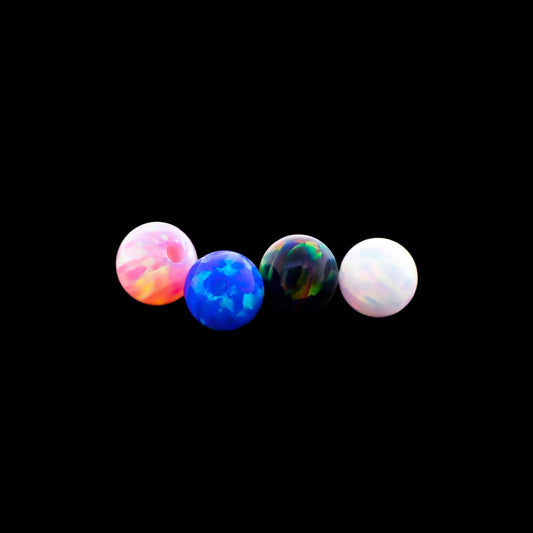
Full style range in one collection. Flat back studs, traditional studs, seamless rings, huggies, and decorative ends are all available without navigating multiple collections.
Implant-grade materials throughout. Titanium pieces from the Titanium by Khrysos line meet ASTM F136 standard. Steel pieces are sourced from Metal Mafia to the 316L implant-grade specification.
Multiple gauges from 20G to 16G. This collection covers the realistic gauge range for standard lobe, upper lobe, and stretched lobe placements rather than stocking only the single most common size.
Studio-sourced quality. Both Metal Mafia and Titanium by Khrysos supply professional piercing studios across the United States. The threading tolerances, disc sizing, and surface finish reflect studio supply standards.
Free domestic shipping and same-day processing. Orders over $25 ship free via USPS economy. Domestic orders placed before 1pm are processed the same day.
Frequently Asked Questions
Find quick answers to the most common questions about lobe piercing jewelry types, sizing, healing, and materials.
What gauge jewelry do I need for a lobe piercing?
Most standard lobe piercings are 20G or 18G. Upper lobe piercings are commonly 18G or 16G. If you are unsure, check with your piercer or measure your existing jewelry with a gauge wheel before ordering.
Can I wear hoops in a lobe piercing?
Yes, once the lobe piercing is fully healed. Hoops and seamless rings at 8mm to 14mm inner diameter work well in healed standard and upper lobe piercings. Avoid ring-style jewelry in a healing lobe as it causes friction in the channel.
What is the difference between a flat back stud and a regular stud?
A flat back stud has a smooth disc on the back of the post that sits flush against the lobe with no sharp tip protruding. A regular stud uses a butterfly or push-back clutch. Flat backs are more comfortable for sleep and less likely to snag during healing.
What material is safest for a new lobe piercing?
ASTM F136 implant-grade titanium is the safest choice for a new or healing lobe piercing because it contains no nickel. For fully healed lobes without metal sensitivities, 316L implant-grade steel is a reliable and more affordable option.
How many lobe piercings can I stack?
Most people comfortably stack two to four lobe piercings per ear depending on their lobe anatomy and spacing preferences. A piercer can assess your lobe and advise on optimal placement spacing before additional piercings are done.
Ear lobe piercing jewelry covers more styles and formats than any other single placement in this collection. Shop the full range of lobe piercing jewelry above to find your gauge, style, and material across flat backs, studs, hoops, and huggies.