


Jewelry Display Stands for Piercing Studios: Acrylic, Locking & Body Bust Displays
Professional jewelry display stands from Metal Mafia turn disorganized studio stock into a browsable retail experience that lets customers find what they want and buy more of it. This jewelry display stands collection covers acrylic display blocks, silicon body busts, spinning stands, locking cases, and hook strip displays in empty and pre-filled configurations for piercing studios, market vendors, and retail shops.
Types of Body Jewelry Display Stands
The right jewelry display stand depends on the jewelry format you are displaying, the available counter or wall space in your studio, and how your clients prefer to browse. Body jewelry display stands are not interchangeable across all jewelry types. A barbell display is structured differently from a plug display, and a ring display works differently from a stud display. Understanding the options before purchasing saves time and avoids buying displays that do not suit your stock.
Acrylic Display Stands and Blocks
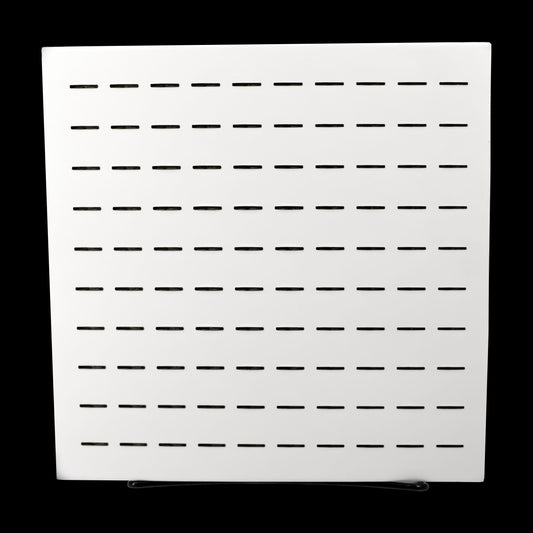
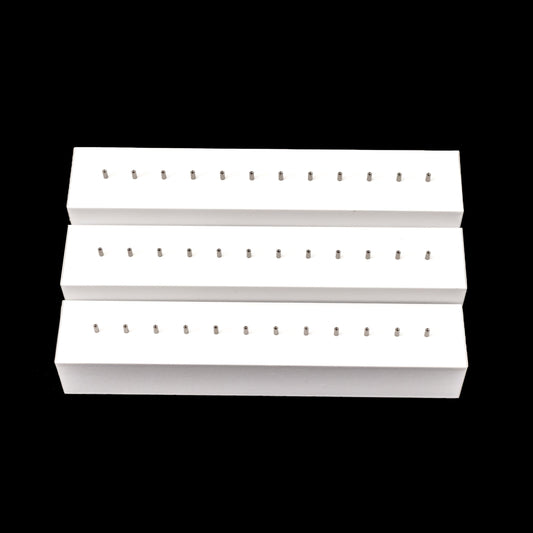
Clear acrylic stands and blocks are the most widely used professional jewelry display stand format in piercing studios. The high-clarity surface keeps the jewelry visible from multiple angles while providing a clean, modern presentation surface that suits any studio aesthetic. Acrylic display stands are available in several formats within this collection:
Blocks with pre-drilled holes accept barbells, labrets, and studs inserted post-first so the decorative end faces forward. Hole density ranges from 12 to 120 positions per block depending on the display size. These are the standard choice for showing straight and curved barbells, labrets, and cartilage jewelry.
Frosted L-bend displays hold labrets and earring-style jewelry at an angle that shows both the post length and the front end clearly. The frosted surface reduces glare under studio lighting and creates a more refined appearance than clear acrylic.
Z-stands and jar displays suit smaller items like ball ends, o-rings, and accessories, or jewelry in packaged form. Jar displays with a screw-off lid keep loose items organized and visible simultaneously.
Silicon Body Bust Displays
Silicon body bust displays are the most realistic and highest-impact jewelry display stand option available for piercing studios. A silicon ear bust worn with a helix ring and tragus stud immediately communicates the aesthetic potential of the jewelry to clients in a way that a flat block cannot.
- Ear busts for helix, tragus, daith, conch, rook, and lobe jewelry. Available in left and right ear options. Most popular display format for curated ear jewelry.
- Nose busts for nostril studs, septum rings, and bridge piercings. Full nose bust or partial displays showing just the nostril area.
- Navel busts for curved barbells, navel rings, and belly jewelry. The anatomical curve of a silicon navel bust shows how jewelry drapes and positions in a way flat displays cannot replicate.
- Silicon body busts are the recommended professional jewelry display format for studios where showing the worn look drives client purchase decisions.
Spinning and Rotating Display Stands
A spinning or rotating jewelry display stand maximizes jewelry visibility in a compact footprint by giving every side of the display equal exposure as clients turn the stand. Rotating stands in this collection hold between 48 and over 100 pieces and suit high-traffic studio environments where clients browse independently while waiting or during consultations. The rotating jewelry display stand format means one display footprint can present multiple jewelry categories simultaneously, with each side organized by type, gauge, or finish.
Locking Display Cases
Locking jewelry display stands protect high-value jewelry from theft and handling while keeping it fully visible behind clear panels. For studios carrying implant-grade titanium, a locking jewelry display stand is a security investment as much as a retail tool, or for premium gemstone pieces. Cases in this collection are available in countertop and wall-mounted configurations and use a keyed lock mechanism. Some locking cases include internal LED lighting that highlights the jewelry without exposing it to touch.
Hook and Hanging Strip Displays
Hook displays and Z-strip hanging panels organize packaged or carded jewelry vertically on a wall or countertop frame. This format is best suited to jewelry sold in blister packs or carded packaging, to accessories and supplies displayed alongside jewelry, and to studios that prefer to keep the majority of their display on walls rather than on counter surfaces. Z-strip hook displays are compact and can be repositioned or expanded without additional fixtures.
See more: Plugs and Tunnels Collection
Which Display Works Best for Each Jewelry Type?
Matching the jewelry display stand format to the specific jewelry it will hold is the most important purchasing decision in setting up studio displays. The wrong display format makes jewelry hard to see, difficult to remove, and less likely to be purchased.
Straight and curved barbells are best displayed in block stands with pre-drilled holes sized to 14G and 16G posts. The barbell inserts post-first so the decorative end faces forward. Frosted L-bend displays are a secondary option for curved barbells and labrets. Both formats allow clients to remove and examine individual pieces without disturbing adjacent jewelry.
Rings, clickers, and seamless rings display best on ring bar stands, silicon ear or nose busts, or jar displays where the full ring shape is visible. Laying rings flat in a tray obscures the diameter and the front face design. Standing rings on a bar or bust shows both the ring profile and the decorative element simultaneously.
Plugs and tunnels use hook displays, shelf-style stands, or spinning stands where packaged pairs can hang or stand with the face visible. Because plugs are typically sold as pairs and many are packaged, the display format needs to accommodate either carded packaging or loose pairs standing upright.
Labrets and flat backs use the same block or frosted L-bend display as straight barbells. The flat disc back does not interfere with vertical insertion, and the decorative front end faces forward in the display hole just as a barbell ball does.
Navel rings and curved barbells for navel piercings display most effectively on a silicon navel bust where the natural drape and angle of the curved barbell is visible. Flat-surface displays for navel rings hide the design of the bottom decorative element, which is the primary purchase driver for navel jewelry.
Studs and cartilage jewelry in 16G and 18G use high-density block displays with smaller hole spacing, or silicon ear busts where the stud's relationship to the ear anatomy is immediately clear. Dense block displays allow a large assortment to be displayed in a small footprint, which suits the large variety typically offered in cartilage jewelry across most studio jewelry display stands.
See more: Steel Internally Threaded Ends
Empty vs. Pre-Filled Display Stands
The decision between an empty jewelry display stand and a pre-filled one is primarily a question of inventory readiness and studio stage.
Empty Jewelry Display Stands
An empty jewelry display stand gives you complete control over which jewelry occupies each position. This format is best suited to established studios with existing inventory that needs better organization, to studios with a defined house style or specific material focus, and to buyers who want to rotate stock seasonally or respond to client demand by changing what is displayed. Empty displays are available across every format in this collection, from single acrylic blocks to full rotating stands, and can be filled with any jewelry that matches the display's gauge and post specifications.
Pre-Filled Display Stands
A pre-filled jewelry display stand arrives loaded with a curated assortment of Metal Mafia body jewelry, ready to present to clients immediately. Pre-filled displays are the best option for new studios building their initial jewelry selection, for vendors adding a body jewelry category to an existing retail offering, and for shops that want to test a new jewelry category before committing to a larger empty display and separate inventory purchase.
Pre-filled jewelry display stands in this collection use the same implant-grade 316L steel and titanium jewelry sold individually through the Pierced Addiction collection. The assortment is curated by Metal Mafia based on their studio-tested bestsellers, which means the display starts with proven commercial selections rather than requiring the buyer to assemble a selection from scratch.
Pre-filled displays from Metal Mafia are sourced to the same implant-grade standard as the individual jewelry sold through Pierced Addiction. Every piece in a pre-filled display meets the same 316L steel specification as standalone product purchases.
Capacity Planning for Your Studio Display
Matching jewelry display stand capacity to your actual studio volume and floor space prevents both overcrowding and the underutilized display problem where a display looks sparse and unconvincing.
Small Studio or Vendor Table Setup
A small studio or market vendor table typically suits one to three jewelry display stands totaling 48 to 120 jewelry positions. The most effective configuration at this scale is one spinning stand or two to three display blocks organized by jewelry category. Prioritize bestsellers in the most visible positions: cartilage jewelry, navel rings, and septum pieces tend to generate the most client inquiries in a compact studio display. A silicon ear bust for the top-selling cartilage styles adds visual impact without requiring additional counter space.
Full Studio Retail Floor Setup
A fully developed studio retail floor benefits from a layered display approach combining multiple stand types. A locking case holds the premium titanium and gold pieces. One or two silicon body busts feature the most photogenic placement-specific jewelry. A spinning stand presents the high-volume steel basics that clients browse and select independently. Smaller display blocks fill counter space with gauge-organized barbells and labrets. This multi-display approach ensures every client entry point in the studio is covered visually, from counter level to wall height.
Pop-Up or Market Vendor Setup
Market vendors and pop-up sellers need jewelry display stands that are portable, compact, and fast to set up. One or two small acrylic display blocks and a collapsible Z-strip hook panel provide enough display surface for a curated market selection without requiring a dedicated transport case. Pre-filled displays are particularly well-suited to the market vendor scenario because they arrive organized and are ready to present without additional setup time on site.
Why Shop Jewelry Display Stands at Pierced Addiction?
Pierced Addiction carries jewelry display stands sourced from Metal Mafia, the same supplier behind the body jewelry sold throughout this store. That sourcing relationship means display stand specifications are matched to the jewelry they are designed to hold rather than being generic jewelry display products adapted for body piercing use.
Metal Mafia displays built for Metal Mafia jewelry. The hole sizing, post depth, and display geometry in every stand in this collection is designed around the gauge range and post length specifications of Metal Mafia body jewelry. Jewelry inserts cleanly, stands securely, and is removed by clients without displacing adjacent pieces.
Empty and pre-filled options in the same collection. Buying an empty display and a pre-filled display from the same source ensures that both will fit the same jewelry stock interchangeably. There is no compatibility concern when mixing empty and pre-filled displays from this collection.
All display types from a single supplier. Acrylic blocks, silicon busts, spinning stands, locking cases, and hook strip displays are all available here. Building out a complete studio display setup does not require coordinating orders from multiple wholesale sources.
Free domestic shipping and same-day processing. Orders over $25 ship free via USPS economy. Domestic orders placed before 1pm are processed the same day.
Frequently Asked Questions
Find quick answers to the most common questions about jewelry display stands, display types, and studio setup.
What type of jewelry display stand is best for a piercing studio?
The most versatile starting configuration combines block displays for barbells and labrets, a silicon ear bust for cartilage jewelry, and a rotating stand for high-volume basics. Silicon navel busts add significant visual impact for studios with strong navel jewelry sales.
Can I buy empty display stands and fill them with my own jewelry?
Yes. Every jewelry display stand in this collection is available in an empty configuration that you fill with your own inventory. Empty displays are sized and hole-drilled to specific gauge ranges, so check specifications to confirm compatibility with your stock before ordering.
Do the pre-filled displays use Metal Mafia jewelry?
Yes. Pre-filled jewelry display stands in this collection are loaded with Metal Mafia body jewelry to the same implant-grade steel and titanium specifications as the individual pieces sold through Pierced Addiction.
What capacity display stand do I need for a small studio?
A display setup of 48 to 120 jewelry positions covers the bestsellers in most categories for a small studio. One spinning stand or two to three display blocks in the 24 to 48-position range each provides this capacity in a manageable footprint.
Are locking display cases available?
Yes. Locking display cases with keyed lock mechanisms are available in this collection for studios that need to secure high-value jewelry on the retail floor. Some locking cases include integrated LED lighting.
Professional jewelry display stands from Metal Mafia give your studio or retail setup the organized, professional presentation that turns browsers into buyers. Shop the full collection of jewelry display stands above to find the display type, capacity, and configuration that fits your space and your stock.